
How Do I Know If Someone Is Trying to Sell My Property Without My Permission?
If someone is trying to sell your property without your permission, there are usually early warning signs—like unexpected listing activity, inquiries from agents, or your property appearing online. The key is catching it early through awareness and monitoring before a fraudulent sale progresses.
Can Someone Try to Sell My Property Without Me Knowing?
Yes—and it’s happening more often than most property owners realize.
This type of scam is known as seller impersonation fraud. It involves someone pretending to be you and attempting to list or sell your property without your knowledge.
Because many real estate transactions now happen remotely, fraudsters can:
Communicate entirely online
Use forged or stolen information
Avoid face-to-face verification
That means the first sign of fraud often comes after the process has already started.
What Are the First Signs Someone May Be Trying to Sell My Property?
In most cases, there are early indicators—if you know what to look for.
Here are the most common warning signs:
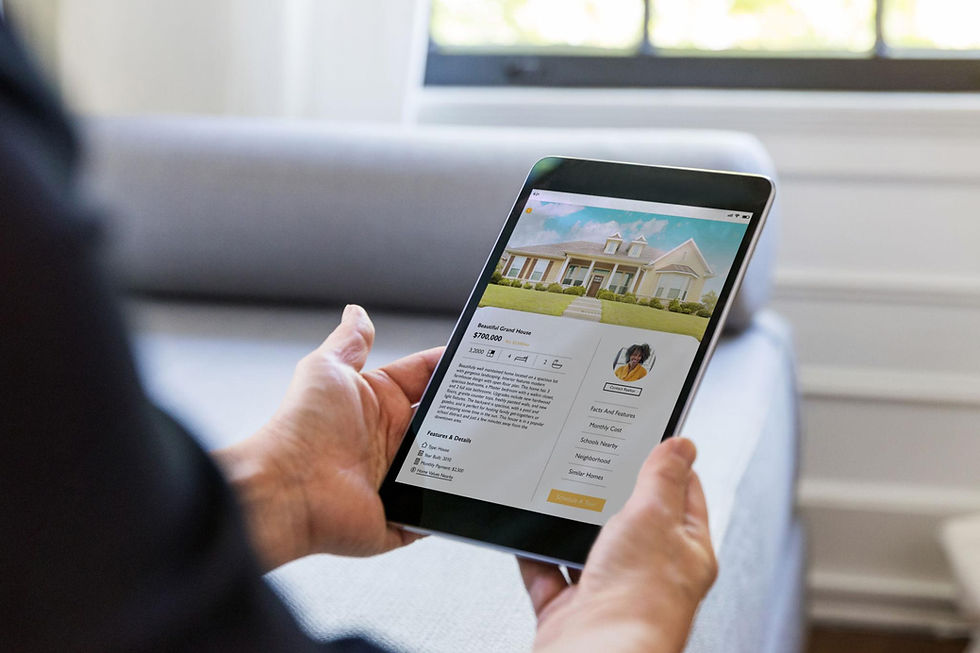
1. You See Your Property Listed Online
If your property suddenly appears on:
Zillow
Redfin
…and you didn’t authorize it, this is a major red flag.
2. A Real Estate Agent Contacts You Unexpectedly
You may receive a call or email asking:
“Are you still interested in selling?”
“We have interest in your property”
If you never initiated a listing, take this seriously.
3. You Receive Unfamiliar Inquiries About Your Property
Buyers, agents, or third parties may reach out asking about:
Showings
Pricing
Availability
These inquiries often happen once a fraudulent listing is live.
4. You Notice Unusual Changes or Activity
This can include:
Unexpected updates tied to your property
Confusion around ownership details
Third parties referencing a listing you didn’t create
Where Would a Fraudulent Property Listing Show Up?
Fraudulent listings often appear on the same platforms as legitimate ones, including:
Major real estate websites
Brokerage listing pages
Aggregated property search platforms
Because listings are widely distributed, a single fraudulent post can quickly spread across multiple sites.
Why Don’t Property Owners Notice Right Away?
Most property owners aren’t actively monitoring their listings every day.
Fraudsters rely on this.
They typically target properties where:
The owner doesn’t live on-site
There’s little day-to-day oversight
The property is owned free and clear
Without active monitoring, a listing can go unnoticed until:
A third party reaches out
A transaction is already in motion
How Quickly Can Seller Impersonation Fraud Progress?
Faster than most people expect.
Once a fraudulent listing is live:
Buyers may show immediate interest
Cash offers can come in quickly
Fraudsters push for fast closings
In some cases, significant damage can occur in a matter of days—not weeks.
How Can I Check If My Property Is Being Listed Without My Permission?
Here are simple ways to stay ahead of potential fraud:
✔ Search Your Property Online Regularly
Look up your address periodically on major listing platforms.
✔ Set Up Alerts
Use tools or services that notify you when your property appears online.
✔ Stay Connected with Local Records
Make sure your contact information is current with:
County records
Tax offices
✔ Pay Attention to Unexpected Communication
Never ignore outreach about your property—even if it seems minor.
✔ Use a Monitoring Service
Platforms like Leeza.io are designed to track listing activity and alert you if your property is listed without your knowledge—helping you catch issues before they escalate.
What Should I Do If I Think Someone Is Trying to Sell My Property?
Act immediately.
Take these steps:
Contact a real estate attorney
Notify the listing agent or brokerage (if identified)
Alert your local register of deeds or county office
Document all activity and communication
Monitor the situation closely
The earlier you act, the easier it is to stop the process.
The Bottom Line: How Do You Know If Someone Is Trying to Sell Your Property?
You’ll usually see signs—but only if you’re paying attention.
Seller impersonation fraud depends on:
Delayed awareness
Lack of monitoring
Passive ownership
The best defense is simple:
Stay aware, stay alert, and don’t ignore unusual activity tied to your property.
🔍 Frequently Asked Questions About Detecting Property Fraud
How can I tell if my property is listed without my permission?
You can search your property address on major listing websites or use monitoring tools that alert you when your property appears online. Unexpected inquiries from agents or buyers can also be a strong indicator.
Will I be notified if someone lists my property for sale?
Not always. There is no universal system that automatically alerts property owners when a listing goes live, which is why proactive monitoring is important.
How quickly can a fraudulent property sale happen?
In some cases, fraudsters attempt to move very quickly—especially if targeting cash buyers. Early detection is critical to stopping the process before it progresses.
Why are vacant or rental properties more at risk?
These properties often have less direct oversight, making it easier for fraudsters to
impersonate owners without immediate detection.
What is the most common way people discover this type of fraud?
Most property owners find out through third-party contact—such as a real estate agent or buyer reaching out about a listing they didn’t authorize.
What is the best way to monitor my property for fraud?
Regularly searching your property online, setting alerts, and using monitoring services like Leeza.io can help detect unauthorized listings early.


